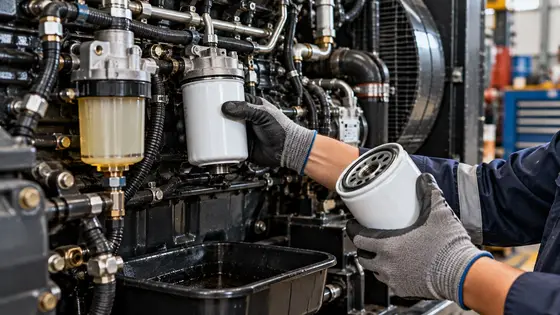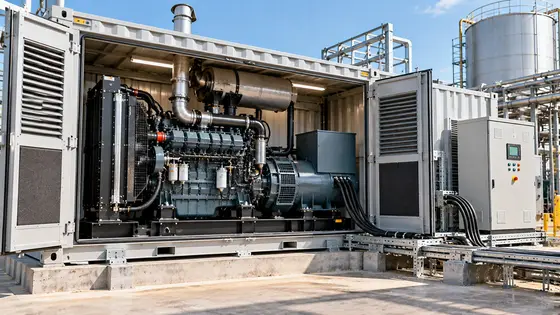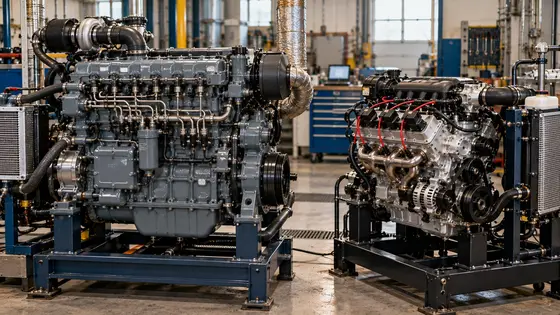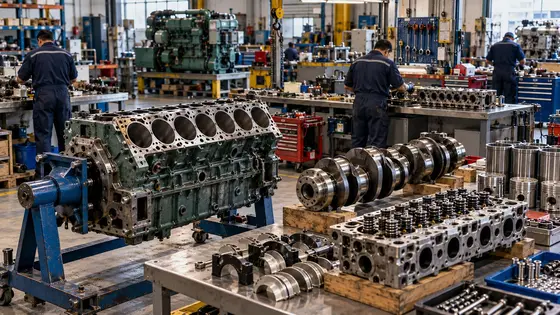
Remanufactured engines are used engines (cores) fully disassembled, measured and restored to original-equipment specification in a controlled factory process, with wear parts replaced as standard and a warranty that is often close to new. A rebuilt engine has been repaired to working condition, usually by replacing only worn or failed parts, so quality depends on the shop. A new engine costs the most but gives a known history, current emissions certification and the full factory warranty.
Key takeaways
- In US trade practice, an engine should only be called "rebuilt" if it has been disassembled, cleaned, and had worn parts restored or replaced, and "remanufactured" only if that work was done in a factory that regularly rebuilds such products (FTC guides, 16 CFR 20.3).
- Remanufacturing industry bodies define it as returning a used product to same-as-new or better performance under set engineering, quality and testing standards, with a warranty.
- A rebuild or in-frame overhaul is usually the lowest-cost option when the block and crankshaft are sound and the downtime can be scheduled.
- Used diesel engines are cheapest to buy but carry the highest risk unless hours, oil analysis and a compression or blow-by test are documented.
- For marine engines above 130 kW, replacing an engine with a non-identical one can trigger current IMO NOx rules, which often favors a new engine.
What is the difference between remanufactured, rebuilt and new engines?
The difference is the scope of work, the standard it is held to and the testing behind it. A new engine is built from all-new parts; a remanufactured engine is restored to the original specification in a standardized factory process; a rebuilt engine is repaired to a level set by the individual rebuilder.
| Factor | New engine | Remanufactured engine | Rebuilt or overhauled engine | Used engine |
|---|---|---|---|---|
| Starting point | All new parts | Used core, fully stripped | Customer's or a used engine | As removed from service |
| Standard | Factory specification | Original specification, often with updates | Rebuilder's own standard | None |
| Parts replaced | All | All wear parts as standard; others replaced if out of tolerance | Worn or failed parts, plus kit parts | Usually none |
| Testing | Factory test | Typically dynamometer or run-in test | Varies from none to a run test | Often none |
| Warranty | Full factory | Typically substantial, depends on program | Varies by shop | Little or none |
| Relative cost | Highest | Usually well below new | Often lowest of the restored options | Lowest |
| Lead time | Stock or build-to-order | Exchange units can be fast | Shop time, often weeks | Immediate if available |
The terms are often used loosely in advertising, so ask any seller what was replaced, to what specification, how it was tested and what the warranty covers.
What are remanufactured engines?
A remanufactured engine is a used engine core that has been completely disassembled, cleaned, inspected and measured against original tolerances, then rebuilt with new wear parts and machined components so it performs like new. In a definition agreed by remanufacturing associations in the US, Europe and China, remanufacturing is described as a standard industrial process that returns a core to same-as-new or better condition and performance, with a warranty.
Typical remanufacturing steps include:
- Core teardown to every component, with each part cleaned and crack-tested.
- Measurement of crankshaft, bores, cam and housings against specification, with out-of-tolerance parts reground, machined to an oversize or scrapped.
- Replacement of all wear parts as standard: pistons or rings, liners, bearings, gaskets, seals and often oil and water pumps.
- Engineering updates that the original maker introduced after the engine was built.
- Assembly and testing, typically on a dynamometer or test bench, to confirm power, pressures and leak-tightness.
Remanufactured engines are usually sold on an exchange basis: the buyer pays a core charge that is refunded when the old engine is returned in rebuildable condition. Check the core acceptance criteria before ordering, because a cracked block or seized crankshaft may not qualify.
What is a rebuilt engine?
A rebuilt engine has been taken apart and repaired so that it runs correctly, but the scope is set by the rebuilder and the budget rather than by a fixed factory standard. A good engine rebuilder may do work equal to remanufacturing; a poor one may replace only what has visibly failed.
A diesel engine rebuild often follows the overhaul pattern used for commercial engines. An in-frame overhaul replaces pistons, rings, liners and bearings with the engine left in place, while an out-of-frame overhaul removes the engine for crankshaft and block work. Our guide to marine diesel engine parts and overhaul kits explains what each kit contains.
What is an overhauled engine?
An overhauled engine is one whose major wearing parts have been renewed to restore compression, oil control and bearing clearances. In practice, "overhaul" and "rebuild" overlap; the useful questions are which components were renewed, whether the crankshaft and block were measured, and whether the engine was tested afterwards.
Should I buy used marine engines?
Used marine engines and used marine diesel engines for sale can work for low-hour, well-documented units, especially for an identical swap where the mounts, gearbox and wiring already fit. They are risky when history is unknown, because seawater ingress, overheating and corrosion are hard to see from outside.
Before buying a used diesel engine, ask for:
- Verified running hours and the maintenance log.
- An oil analysis showing wear metals, sodium and glycol levels.
- A compression or crankcase blow-by test, and a run test under load if possible.
- Photos of the exhaust elbow, heat exchanger and inside the rocker cover.
- The original emissions certificate or EIAPP documentation for marine engines above 130 kW.
Which option is best for marine and commercial use?
Choose based on downtime cost, the condition of the old engine, the emissions rules that apply and how long the vessel or machine will stay in service. The rules of thumb below fit most commercial buyers.
| Situation | Usually the best choice |
|---|---|
| Block and crankshaft sound, downtime can be planned | Rebuild or in-frame overhaul |
| Fast turnaround needed, identical engine model | Remanufactured exchange engine |
| Engine model obsolete or parts scarce | New engine, often a different model |
| Classed vessel or new emissions tier required | New engine with current certificates |
| Short remaining service life of the vessel or machine | Good used or rebuilt engine |
| Fleet standardization | New engines of one model |
Emissions rules matter more on boats than many buyers expect. Under MARPOL Annex VI Regulation 13, replacing a marine diesel engine above 130 kW with a non-identical engine counts as a major conversion, so the replacement generally has to meet the NOx tier in force when it is installed. In US waters, EPA rules also include a remanufacturing program for commercial marine engines above 600 kW. Confirm the position with your flag state, class society or the EPA before choosing.
How much do remanufactured engines cost?
Remanufactured engines cost usually well below a comparable new engine, but the gap varies widely by model, power, market and core value, so ask for quotes rather than relying on a percentage. The total cost of each option also includes freight, installation, any modifications and the cost of downtime.
Key cost drivers to compare:
- Core charge and core condition, which can add significantly to the initial price.
- Scope of supply: bare long block, dressed engine or complete engine with accessories. See long block vs short block vs complete engine.
- Warranty length and what it covers, including labor.
- Installation changes if a new model needs new mounts, couplings or wiring.
- Downtime, which on a working vessel often outweighs the price difference.
Our boat repower cost guide puts these factors into a full project budget.
Where should I buy a replacement engine?
The best place to buy a rebuilt or new engine is a source that documents the work, tests the engine and stands behind a written warranty. For new engines, compare authorized dealers and export suppliers on rating, lead time, test documentation and shipping.
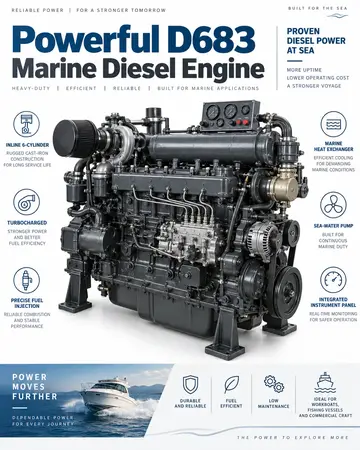
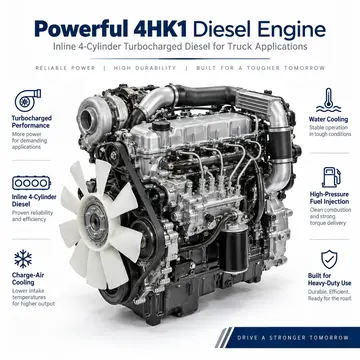
MARS supplies new marine, industrial and vehicle diesel engines, such as the D683 marine diesel engine and the 4HK1 truck engine, with a machinery test, written report and video before dispatch. Warranty is typically 1 year or 1,500 running hours, confirmed per product. To compare a new engine against a rebuild quote, send us your engine details.
Frequently asked questions
Is a remanufactured engine as good as new?
A remanufactured engine built to original specification, with all wear parts replaced and a full test, can perform like a new engine. Quality depends on the remanufacturer, so check the process, test records and warranty.
What is the difference between a rebuilt and a remanufactured engine?
A rebuilt engine is repaired to working order, typically replacing worn or failed parts to the rebuilder's standard. A remanufactured engine goes through a standardized factory process to original specifications, with all wear parts replaced and testing before sale.
What is an overhaul engine?
An overhauled engine has had its main wear parts, such as pistons, rings, liners, bearings and gaskets, renewed to restore performance. The scope varies, so ask which parts were replaced and whether the engine was tested.
What is a core charge?
A core charge is a refundable deposit added to the price of a remanufactured engine. It is returned when the buyer sends back the old engine in a condition the remanufacturer can rebuild.
Are used marine diesel engines worth buying?
They can be, when hours, maintenance records, oil analysis and a compression or blow-by test are available. Without that evidence, the risk of hidden corrosion or overheating damage is high.