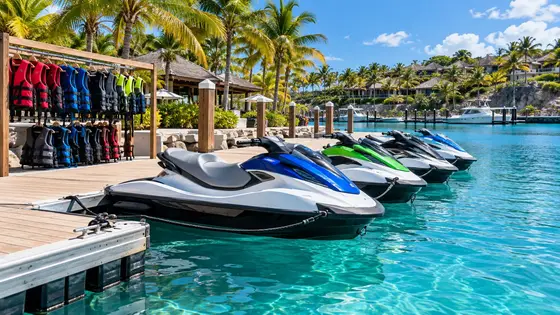
A jet ski rental business needs five things: a site with legal water access, the business and livery permits your jurisdiction requires, commercial liability and hull insurance, a fleet of durable personal watercraft (PWC) set up for beginners, and a documented safety briefing and supervision routine. Operator licensing and minimum age rules vary by country and state. In Florida, for example, liveries must hold an annual permit, may not rent powered vessels to anyone under 18 and must carry at least $500,000 per person and $1 million per event in liability cover.
Key takeaways
- In the US there is no federal license for operating a recreational PWC; operator education, age limits and rental (livery) rules are set mainly by states.
- Florida's livery law (section 327.54) requires a livery permit, renters aged 18 or over for powered vessels, pre-ride instruction and liability insurance of at least $500,000 per person and $1 million per event.
- Outside the US, rules differ widely; several Australian states, for example, require a PWC-specific licence or endorsement for operators.
- Standard private PWC insurance policies typically exclude rental use, so a rental operator needs commercial cover.
- Rental fleets usually run naturally aspirated 90–170 hp three-seat models with speed-limiting modes, braking and reverse.
- US rental rates typically run about $80–150 per hour, $200–400 per half day and $350–600 per full day, with strong seasonal swings.
How does a jet ski rental business make money?
A jet ski rental business earns money from hourly, half-day and full-day rentals, plus guided tours, add-ons and resort packages. Profitability depends far more on utilization, the share of available hours that each craft is actually rented, than on the hourly price.
Typical US jet ski rental prices, from published 2026 rate guides, are:
| Rental type | Typical US price range | Notes |
|---|---|---|
| 30 minutes | About $60–90 | Popular at beach concessions |
| 1 hour | About $80–150 | The most common booking |
| Half day (3–4 hours) | About $200–400 | Lower effective hourly rate |
| Full day (6–8 hours) | About $350–600 | Lake and multi-day markets |
| Security deposit | About $100–500+ | Refundable; higher for performance units |
Prices vary by location, season and model, and peak-season rates can be well above shoulder-season rates. Fuel, taxes and optional damage waivers are often charged separately.
What drives profit per unit?
Revenue per craft is roughly rentable hours per season multiplied by utilization and average price per hour. Costs include fleet depreciation, insurance, fuel, maintenance, staff, dock or beach lease fees, marketing and booking-platform commissions. Weather, downtime and short seasons cut utilization quickly, so model several scenarios first.
What licenses and permits does a jet ski rental company need?
A jet ski rental company typically needs a general business license, any state or national livery or vessel-rental permit, registration for every craft and written permission to operate from the beach, dock or marina. Many coastal towns also regulate commercial operations through concession agreements, zoning or harbor rules.
A permit checklist to work through with local authorities:
- Business registration and tax accounts for the operating entity.
- Livery or rental permit, where the state or country requires one.
- Vessel registration and numbering for each PWC.
- Site permission, such as a beach concession, marina lease or resort agreement.
- Local operating rules, such as designated riding zones, speed limits, hours and noise limits.
- Federal requirements, where relevant. If staff operate vessels carrying paying passengers, for example on tours or towed rides, US Coast Guard credentials and rules may apply, so confirm with the Coast Guard.
Treat this list as a starting point, not legal advice; confirm what applies with the licensing authority or a local maritime lawyer.
Do you need a license to rent a jet ski?
Whether you need a license to rent a jet ski depends on where you ride. In the US the Coast Guard does not issue licenses for recreational PWC operation; instead, many states require a boating safety education certificate for operators born after a set date, and some accept a temporary certificate or a livery's pre-ride instruction for renters.
Outside the US, requirements range from no licence at all for private use in some countries to a dedicated PWC licence. In Australia, for example, New South Wales issues a separate PWC licence, while Victoria and Tasmania use a PWC endorsement. Resorts operating in several countries should keep a short legal summary per site and train staff to check documents consistently.
How old do you have to be to rent a jet ski?
Minimum ages to rent a jet ski vary by jurisdiction and company policy. Florida bars liveries from renting powered vessels to anyone under 18, while many other states set a minimum operator age somewhere between 12 and 16, sometimes with education or supervision conditions. Many rental companies set their own higher minimums, such as 18 to sign the contract and drive, regardless of the legal minimum.
What insurance does a jet ski rental business need?
A jet ski rental business needs commercial liability insurance that explicitly covers rented PWC, plus physical damage cover for the fleet. Private PWC or boat insurance policies typically exclude rental use, so do not rely on them.
| Cover | What it protects | Notes |
|---|---|---|
| Commercial or marine liability | Injury and property damage claims from renters and third parties | Check minimum limits set by local law, such as Florida's $500,000 / $1 million |
| Hull and physical damage | Repair or replacement of fleet units | Agree deductibles and valuation basis |
| Property and equipment | Dock gear, trailers, shop and office | Often a separate policy |
| Employer's liability or workers' compensation | Staff injuries | Required for employees in most places |
| Business interruption | Lost income after an insured loss | Optional; check exclusions |
Insurers usually ask about operating area, renter age and briefing procedures, supervision, fleet age and claims history. Signed rental agreements and liability waivers support risk management, but their legal effect varies by jurisdiction, so they do not replace insurance.
What is the best jet ski for a rental fleet?
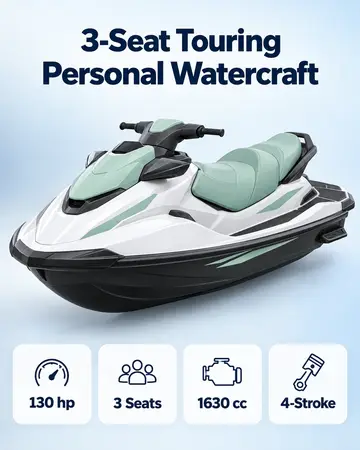
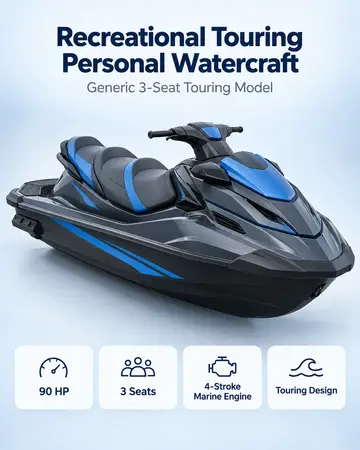
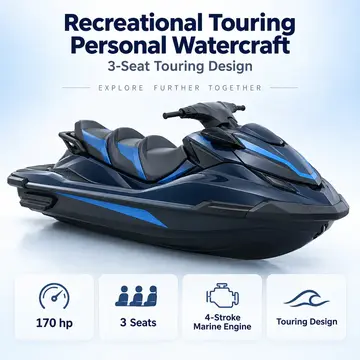
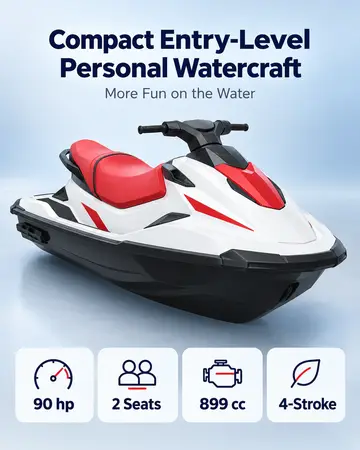
The best jet ski for a rental fleet is a stable, naturally aspirated three-seat model in the 90–170 hp range with braking, reverse and a speed-limited learning mode. These machines are forgiving for first-time riders, cheaper to maintain than supercharged models and easy for staff to dock and recover.
Fleet features to prioritize:
- Engine. Naturally aspirated engines avoid supercharger service costs and tolerate heavy, stop-start use.
- Speed and mode limiting. Staff should be able to set a slower mode for new or young riders.
- Braking and reverse. These reduce dock collisions and help riders stop near swimmers or other craft.
- Hull stability. Wider, longer hulls in the 130–136 inch range are more forgiving than rec-lite models.
- Durable trim. Simple seats, fewer accessories and sturdy bumpers reduce damage claims.
- Fleet uniformity. One or two models simplify spare parts, training and briefings.
Some manufacturers offer rental-oriented variants, such as a 130 hp rental touring model. A 170 hp recreation model suits tours with experienced riders. Our guide to PWC models for resort rental fleets compares the options in more detail.
Size the fleet to what you can keep running at peak season, with spare capacity for units out of service and fast access to wear parts such as impellers and wear rings.
How do you run a safe jet ski rental operation?
A safe jet ski rental operation combines a consistent pre-ride briefing, a marked riding area, active supervision and daily maintenance checks. Most serious incidents involve collisions, so control where and how renters ride.
A practical daily routine:
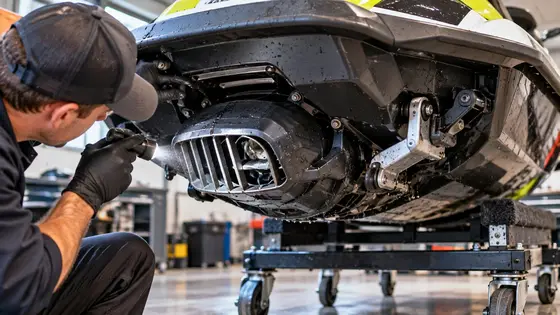
- Morning checks. Check fuel, oil, battery, bilge, hull, pump intake, lanyards, fire extinguishers and life jackets on every unit.
- Weather and water check. Decide the operating area and cancel or restrict rides in high winds, poor visibility or rough water.
- Check-in. Verify age, ID and any required education card, sign the rental agreement and record the unit number.
- Briefing. Cover controls, the lanyard, steering needing throttle, right-of-way, the riding zone, local hazards and what to do after a fall or capsize.
- Supervision. Keep a staff member on a chase craft or watch position with a radio during every session.
- Return inspection. Photograph each unit before and after each rental to settle damage claims fairly.
- Records. Keep rental agreements, briefing records and maintenance logs for the period local law requires.
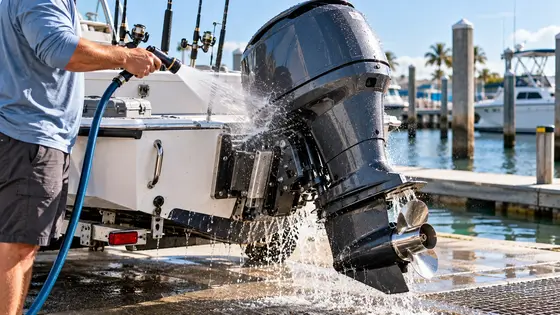
Rental fleets accumulate hours quickly, so follow a service plan based on hours rather than the calendar. Our outboard and PWC fleet maintenance schedule sets out typical intervals.
How much does it cost to start a jet ski rental business?
Startup cost depends mainly on fleet size and site. The main cost drivers are:
- The fleet, at new US list prices of roughly $12,000–17,000 per recreation unit for 2026, before freight, taxes and fees.
- Docks, floating ports or beach ramps, plus moorings and buoys to mark riding zones.
- Insurance deposits and the first annual premium.
- A chase or rescue craft, radios and safety equipment.
- Fuel storage or a fueling arrangement, and spare parts.
- Booking software, signage, marketing and staff training.
For importers and resort groups outside North America, landed cost (purchase price, freight, insurance, duties and local registration) matters more than US list price. MARS supplies personal watercraft for resort and rental fleets FOB or CIF from Shanghai, with each machine checked and documented with a written report and video before dispatch. See our resort watercraft fleet project for an example.
Frequently asked questions
Is a jet ski rental business profitable?
It can be, but profit depends on utilization, season length, insurance cost and maintenance discipline. Operators with a short season or low weekday demand should model weather and downtime losses carefully before buying a fleet.
Do you need a boating license to drive a jet ski?
In the US there is no federal license, but many states require a boating safety education certificate for some or all PWC operators. Other countries may require a dedicated PWC licence, so check local rules.
What insurance does a jet ski rental company need?
At minimum, commercial liability insurance that covers rented PWC, plus hull and physical damage cover for the fleet. Some jurisdictions set minimum limits, such as Florida's $500,000 per person and $1 million per event.
How much is it to rent a jet ski for a day?
In the US a full-day jet ski rental typically costs about $350–600, plus fuel, taxes and any damage waiver. Prices vary with location, season and model.
What is the minimum age to rent a jet ski?
It depends on the jurisdiction and the company. Florida requires renters of powered vessels to be at least 18, and many operators elsewhere set 18 as their own minimum to sign and drive.
What jet skis do rental companies use?
Most rental companies use naturally aspirated three-seat recreation or touring models of about 90–170 hp, with speed limiting, braking and reverse. Supercharged performance models are rarely used in general rental fleets.
Planning a new rental fleet or a seasonal top-up? Send us your site, fleet size and target models for a quote.